
Riata Implantable Cardioverter Defibrillator (ICD) Leads
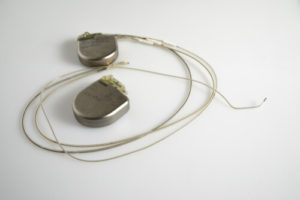
Recall Premature Insulation Failure In Riata Implantable Cardioverter Defibrillator (ICD) Leads
(information source: FDA Safety Communication)
Riata Defibrillator
Riata and Riata ST leads connect an implantable cardioverter defibrillator (ICD) to the heart, to monitor heart rhythms. An ICD can detect life-threatening heart rhythms, and then deliver an electrical shock from the ICD through the lead to the heart. ICD leads have insulation layers that protect electrical conductor wires in the lead. Riata is manufactured by St. Jude Medical Inc.
Recall
St. Jude Medical Inc. recalled the problematic leads on November, 28, 2011, due to insulation failure – premature erosion of the insulation that covers the electrical conductor wires. Accordingly, the leads have an increased risk of premature insulation failure that may impact the lead’s ability to function as intended. St. Jude Medical Inc. stopped selling those leads in late 2010, but by then, more than 227,000 Riata leads were distributed worldwide. St. Jude Medical had indicated that as of 2011, approximately 79,000 Riata leads remain implanted in patients in the U.S. Lead showing abnormality on imaging and abnormal electrical function may need replacement. Lead replacement may carry the attendant risks of severe injury and death.
What You Should Do
Financial compensation may be available. If you are the recipient, or know a recipient of the Riata defibrillator/leads, you or such persons should speak with an attorney to understand legal rights involved. DO NOT sign anything without an attorney, as that may impair your ability to further recovery. If you have any questions please feel free to contact us at any time 24 hours a day for a free consultation. Our attorneys are pursuing cases, continuing to review new cases of those injured, and are ready and able to assist. We may be contacted directly at 1-800-738-0449, or contact us through our website at www.lawyernc.com.